Caring for Your Ears as You Age: Routine Steps for Long-Term Hearing Health
Family Hearing Centre • October 14, 2026
When it comes to hearing wellness, small daily habits can have a lasting impact—especially as we grow older. At Family Hearing Centre, we meet many people in North York and Vaughan who want to stay proactive with their ear health, but aren’t always sure what matters most as the years go by. Hearing changes can arrive slowly, but by building smart routines now, you can safeguard your conversations, your work, and your favorite sounds for the long haul.
Age-related hearing loss is common, but it isn’t inevitable or untreatable. Many factors—from medical history to lifestyle, occupational exposure, and even simple ear hygiene—play a role in how your hearing evolves over time. Drawing on years of clinical experience, our team offers a practical guide to keeping your ears in their best shape as you move through the decades.
In This Article:
- Daily Routines that Support Long-Term Hearing Health
- Staying on Top of Ear Hygiene—What Works and What to Avoid
- Medical Checkups and When to Seek Professional Care
- Common Mistakes That Can Undermine Ear Health
Daily Routines that Support Long-Term Hearing Health
Daily choices can set the stage for better hearing over time. Maintaining safe listening habits and controlling your exposure to noise is foundational. When using headphones or earbuds, keep volume at a moderate level and take breaks every hour. If your work or hobbies put you in loud environments, high-quality hearing protection is essential—something we frequently recommend for local teachers, musicians, and skilled tradespeople in North York and Vaughan.
Staying physically active improves circulation, which benefits the delicate structures of your inner ear. Regular exercise, balanced nutrition, and adequate hydration help every part of your body—including your hearing—function more effectively.
→ A quick tip to remember: Protect your ears from loud sounds as you would protect your eyes from the sun—simple, daily awareness makes all the difference.
Staying on Top of Ear Hygiene—What Works and What to Avoid
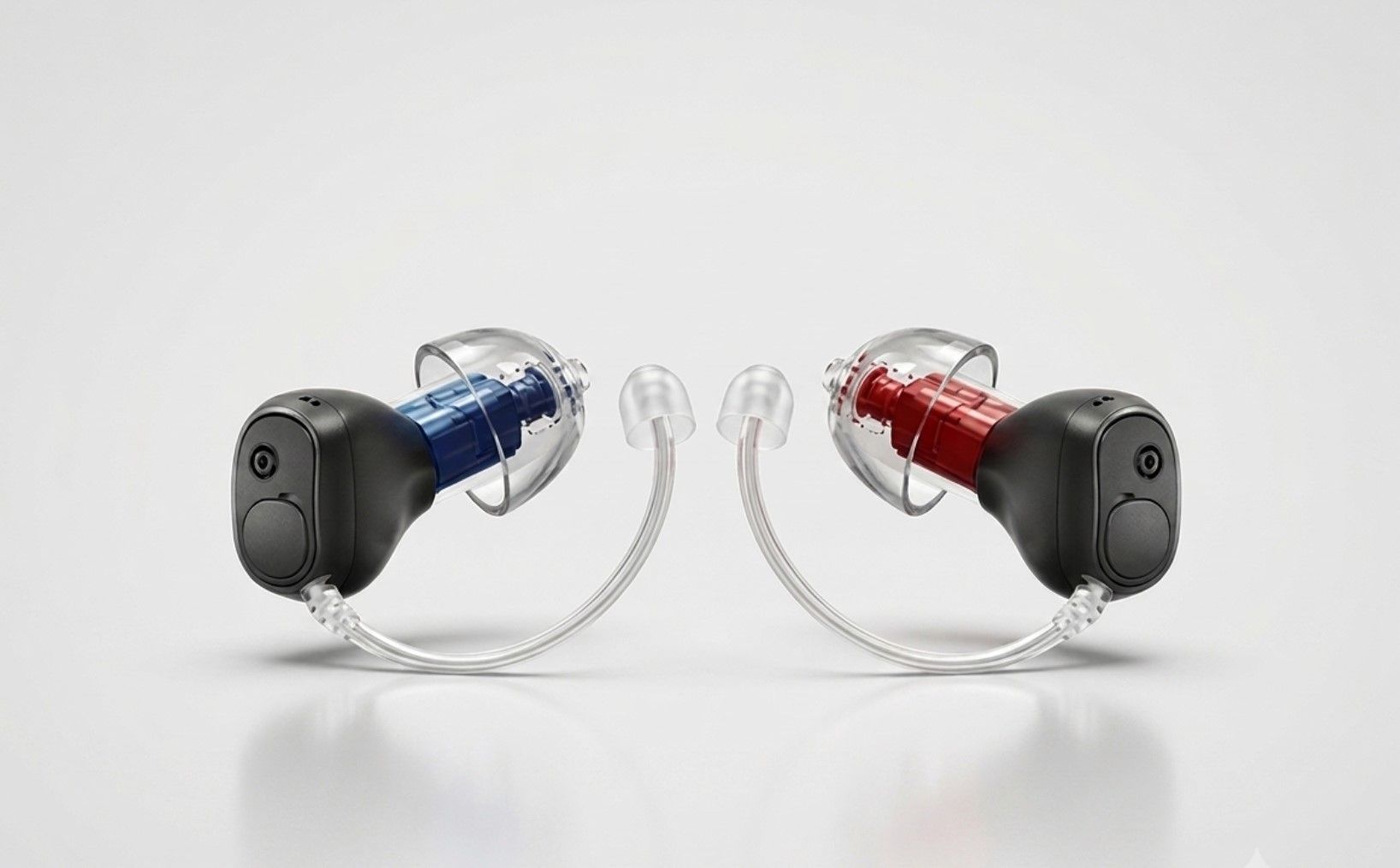
Good hygiene is about balance, not over-cleaning. The ear canal is self-cleaning for most people, and routine washing of the outer ear with a soft washcloth is usually all that’s needed. Avoid inserting cotton swabs or any pointed objects, as these can push wax further in or cause injury. If you wear hearing aids, regular cleaning of the device’s earmold and a routine checkup for professional maintenance will also prevent most common issues.
If you’re prone to earwax buildup, schedule gentle, professional removal instead of using home kits, which often do more harm than good. A recurring point we emphasize with North York and Vaughan clients: the best results always come from safe, clinician-led care.
→ From a professional standpoint: Your ears are designed to clean themselves, and professional guidance keeps them safe and healthy when help is needed.
Medical Checkups and When to Seek Professional Care
A routine hearing assessment becomes more valuable with each decade, setting a baseline and monitoring for subtle changes. Annual checkups help to catch issues early—when they’re most manageable. You should seek prompt attention if you notice any of the following:
- Sudden or persistent reduction in hearing
- Ear pain, ringing, or a sensation of fullness
- New difficulties following conversations, especially in noisy places
If you have chronic conditions such as diabetes, cardiovascular disease, or frequent sinus problems, your risk for hearing changes can be higher. Communication with your hearing professional—like those at Family Hearing Centre—ensures nothing important is overlooked.
→ A quick tip to remember: Early detection is your strongest ally; hearing tests are just as important as eye checks or dental cleanings.
Common Mistakes That Can Undermine Ear Health
Certain habits and assumptions often work against hearing health as we age. Overuse of cotton swabs, ignoring persistent hearing difficulties, and delaying appointments until symptoms worsen are all mistakes we see too often. Some also underestimate how much environmental noise at work or in the community slowly contributes to long-term problems.
Another common misstep is putting off hearing aid tune-ups, which not only affects device performance but can also accelerate further hearing decline if not addressed. Keeping a regular schedule with your hearing care provider helps head off these avoidable missteps.
► The single most important maintenance fact: Unaddressed hearing changes only get harder to manage over time—routine professional attention ensures you catch issues when solutions are simplest.
Next Steps: Invest in Your Ongoing Hearing Wellness
Long-term ear health is built on consistency, patience, and trusted professional care. Small decisions, made daily and checked yearly, help you hold onto the connections and activities you value most. Whether you’re starting a new routine or need expert assessment, Family Hearing Centre in North York and Vaughan is always here to help you protect and enjoy your hearing for years to come.
Share This Blog